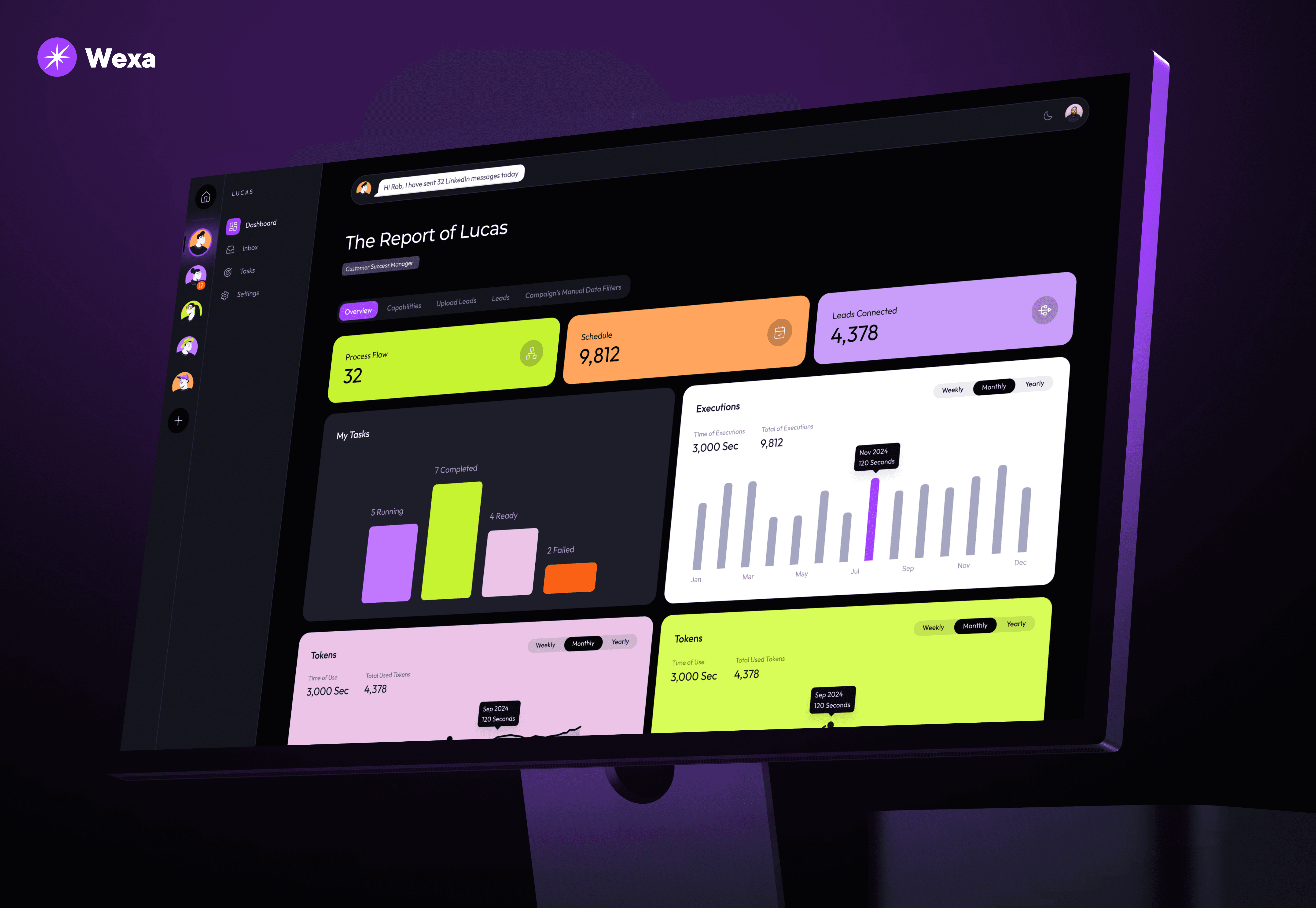
TTPOS: Minimalist Engineering for Complex Merchant Systems
How I balanced professional aesthetics with zero-friction layouts to help restaurant managers handle inventory and analytics with maximum clarity.
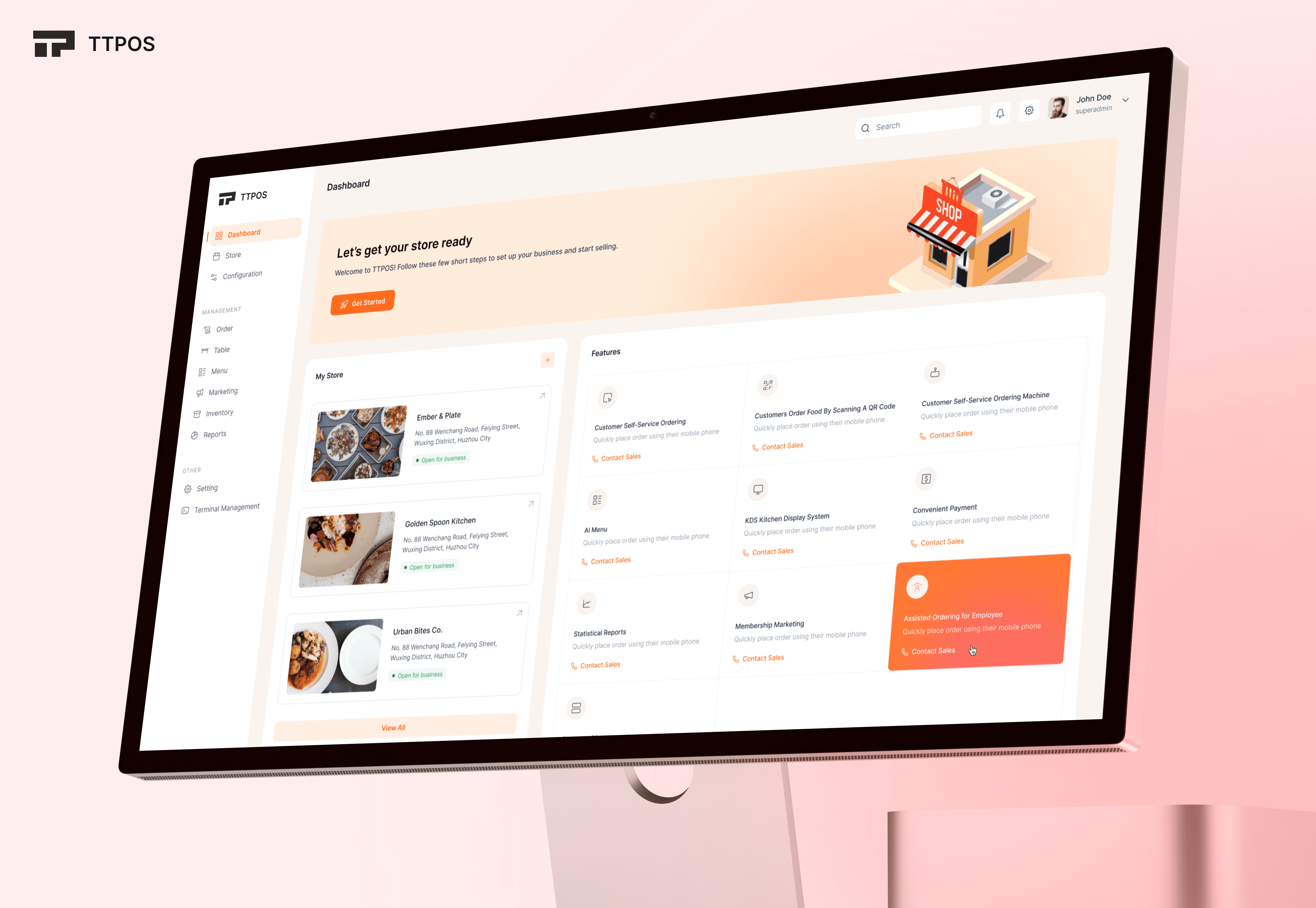
TTPOS is a comprehensive restaurant management SaaS designed to streamline complex merchant operations. I designed this dashboard ecosystem to handle high-frequency workflows—from inventory and table management to deep analytics. The focus was on building a modular, scalable system that maintains operational efficiency for high-volume businesses.
Managing Complexity Without Cognitive Overload
With over 100 screens covering everything from marketing to inventory, the primary challenge was preventing "dashboard fatigue." I needed to:
Simplify Dense Workflows: Ensure that high-frequency tasks (like order management) remain fast and error-free.
Maintain Visual Consistency: Build a robust design system that keeps the interface professional and modern across nine distinct functional modules.
Optimize for Speed: Create layouts that prioritize operational efficiency for busy managers in high-pressure environments.
High-Density Clarity Through Minimalist Design
I applied a premium, low-friction aesthetic to ensure the platform feels light despite its massive functional depth.
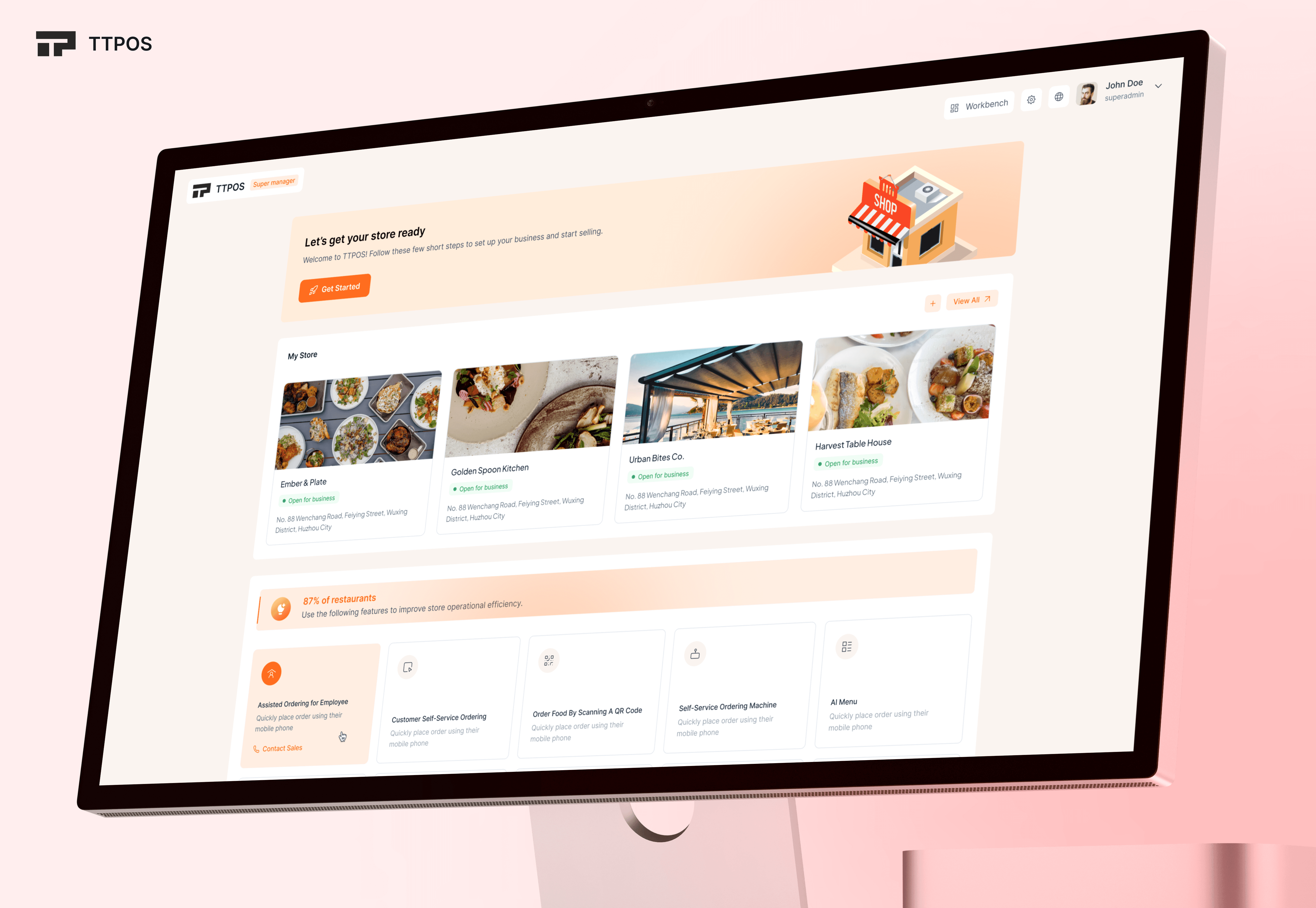
Modular Workbench Architecture: I designed a centralized "Workbench" that gives managers an instant overview of critical metrics, allowing them to jump into specific modules like orders or tables without friction.
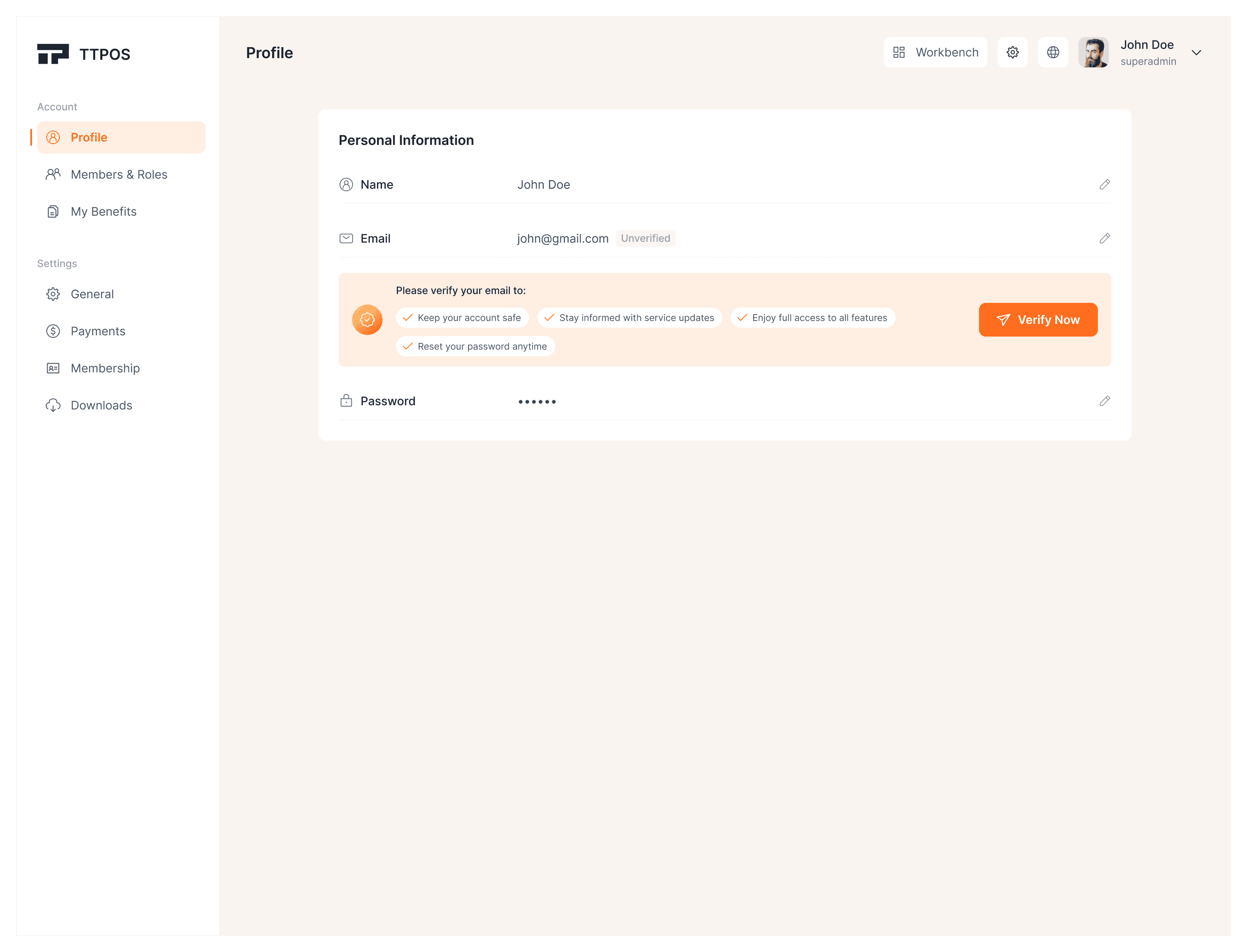
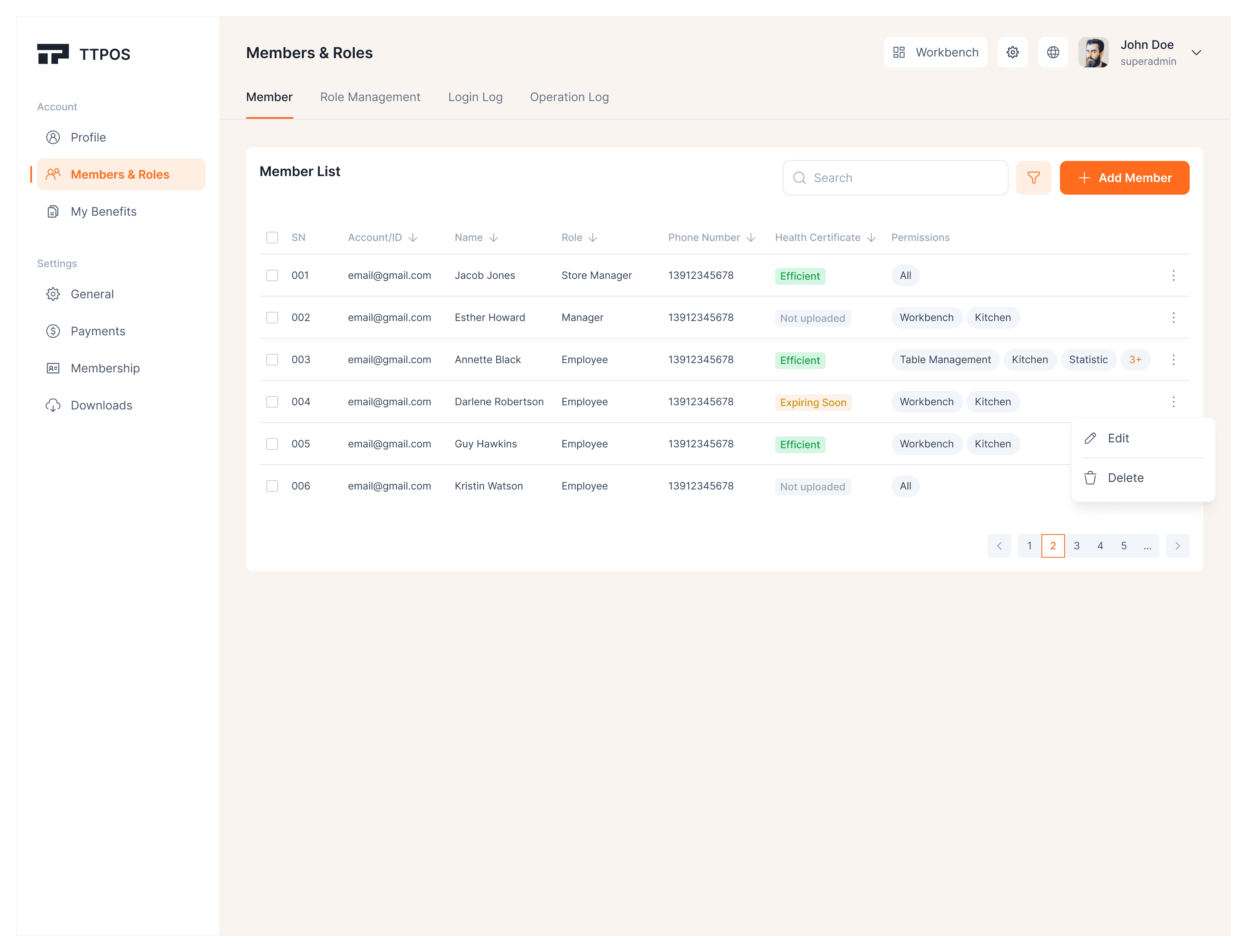
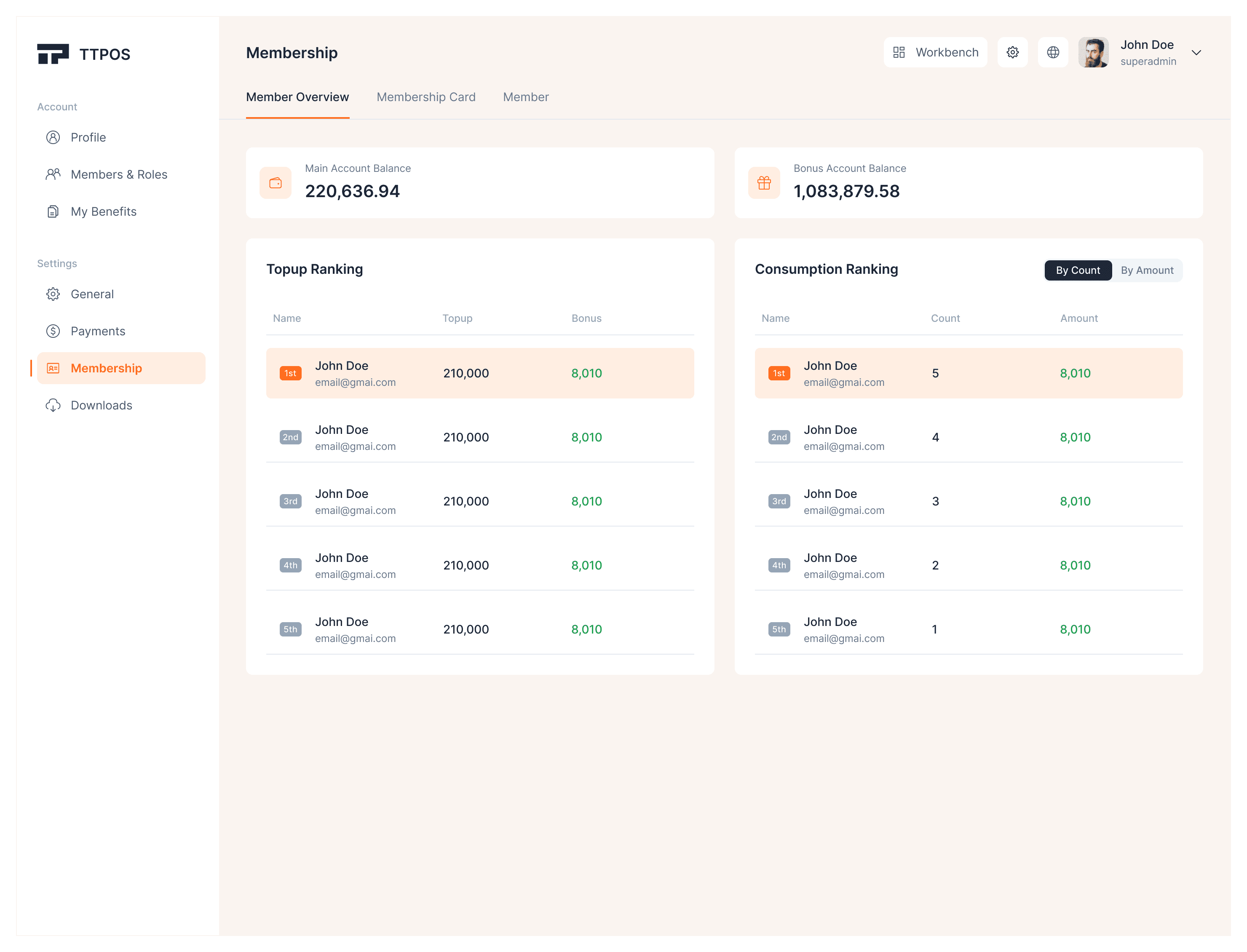
Atomic Design System: I built a scalable library of components used across 100+ screens. This ensures that whether a user is in "Inventory" or "Settings," the interaction patterns remain predictable and clean.
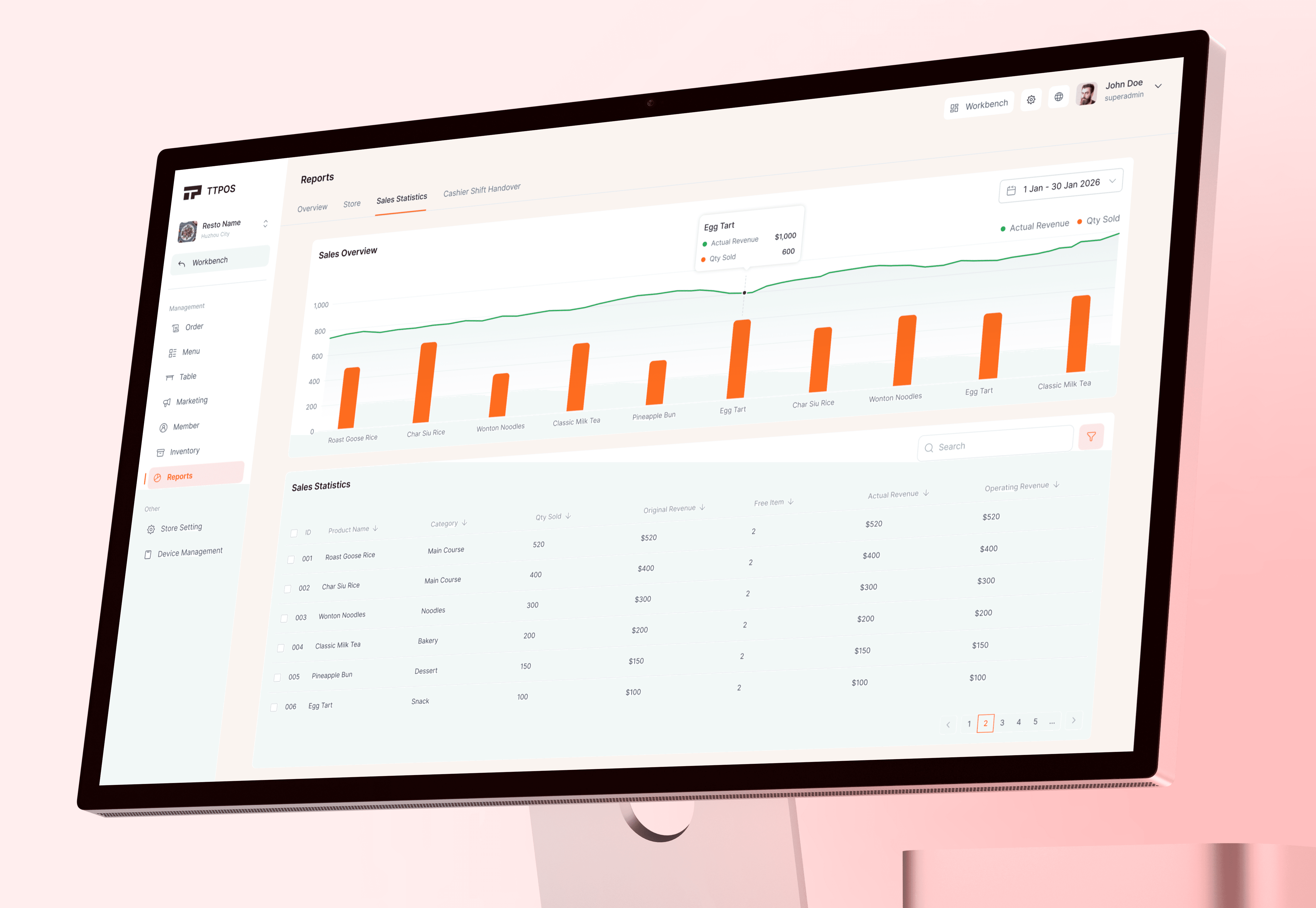
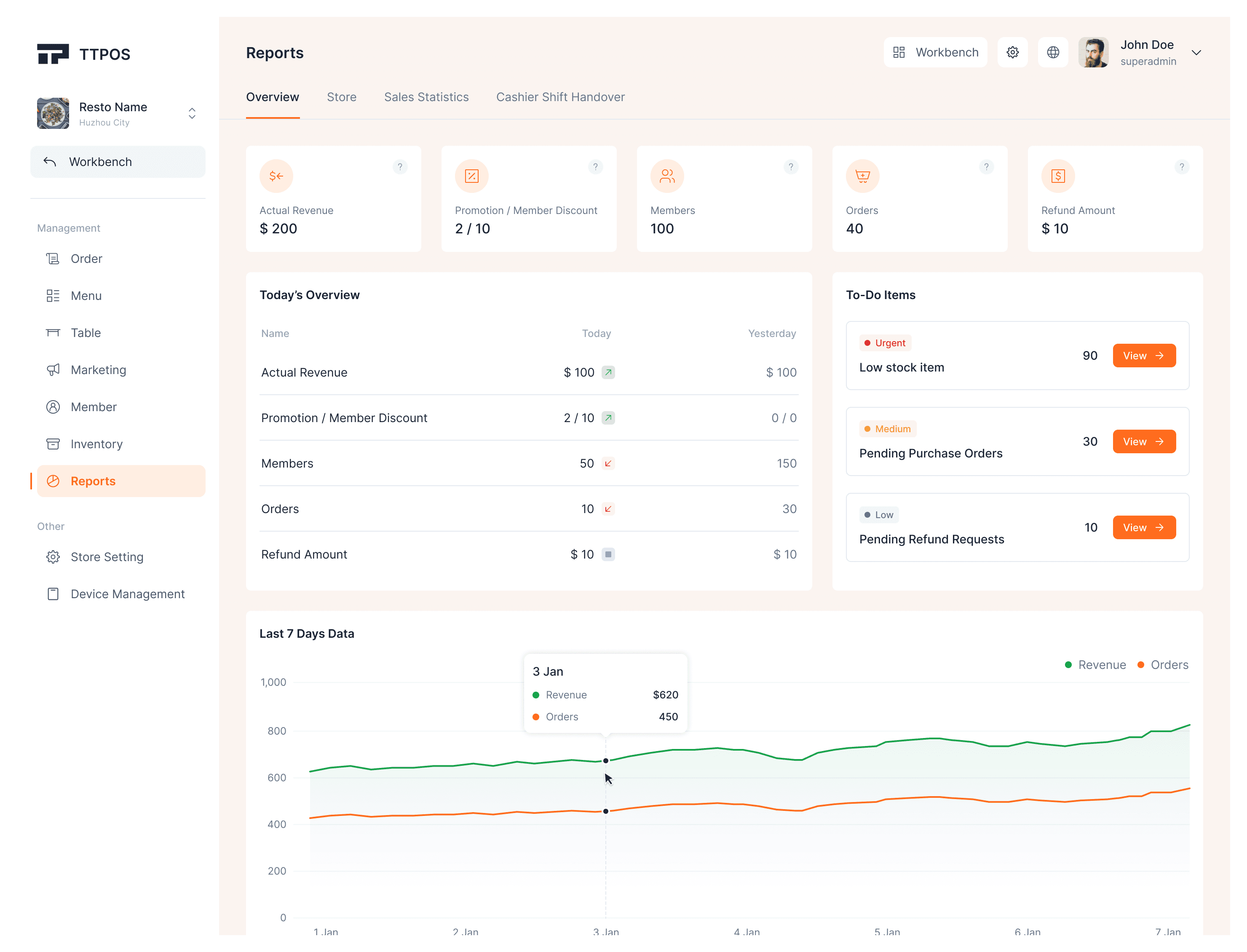
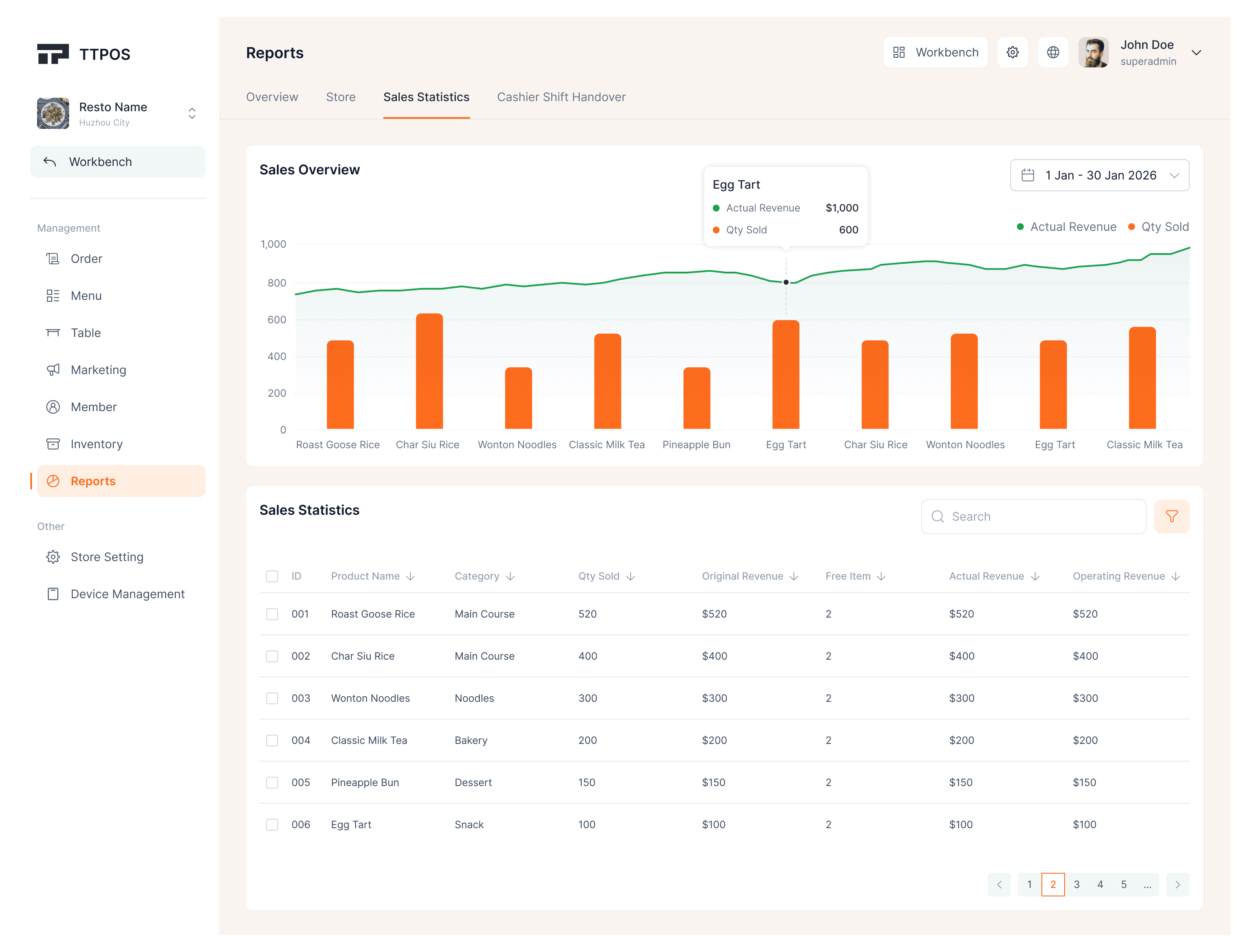
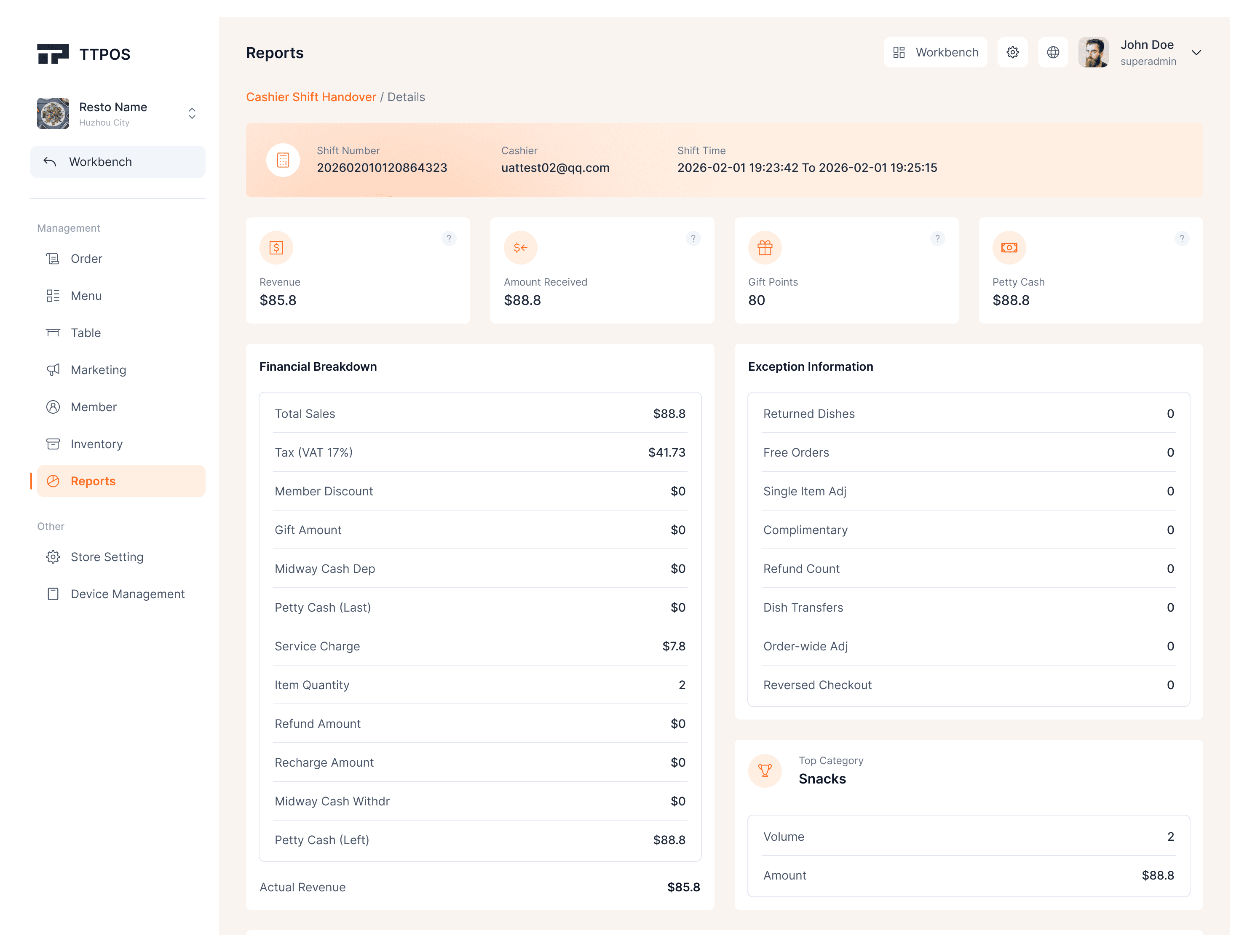
Performance-Driven Analytics: I designed the report module to be data-rich yet scannable, using high-contrast visualizations that highlight key performance indicators at a glance.
Login & Secure Access
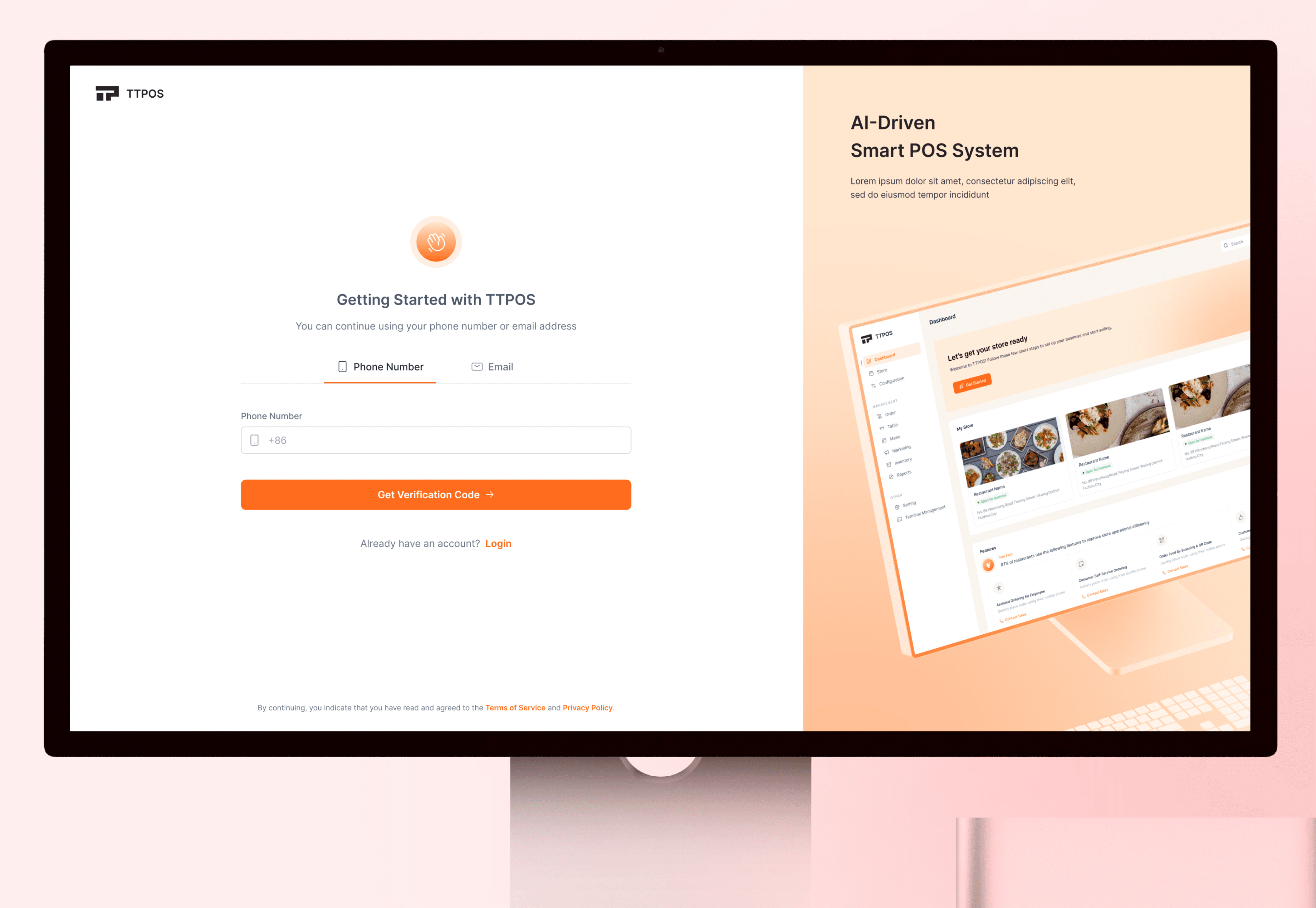
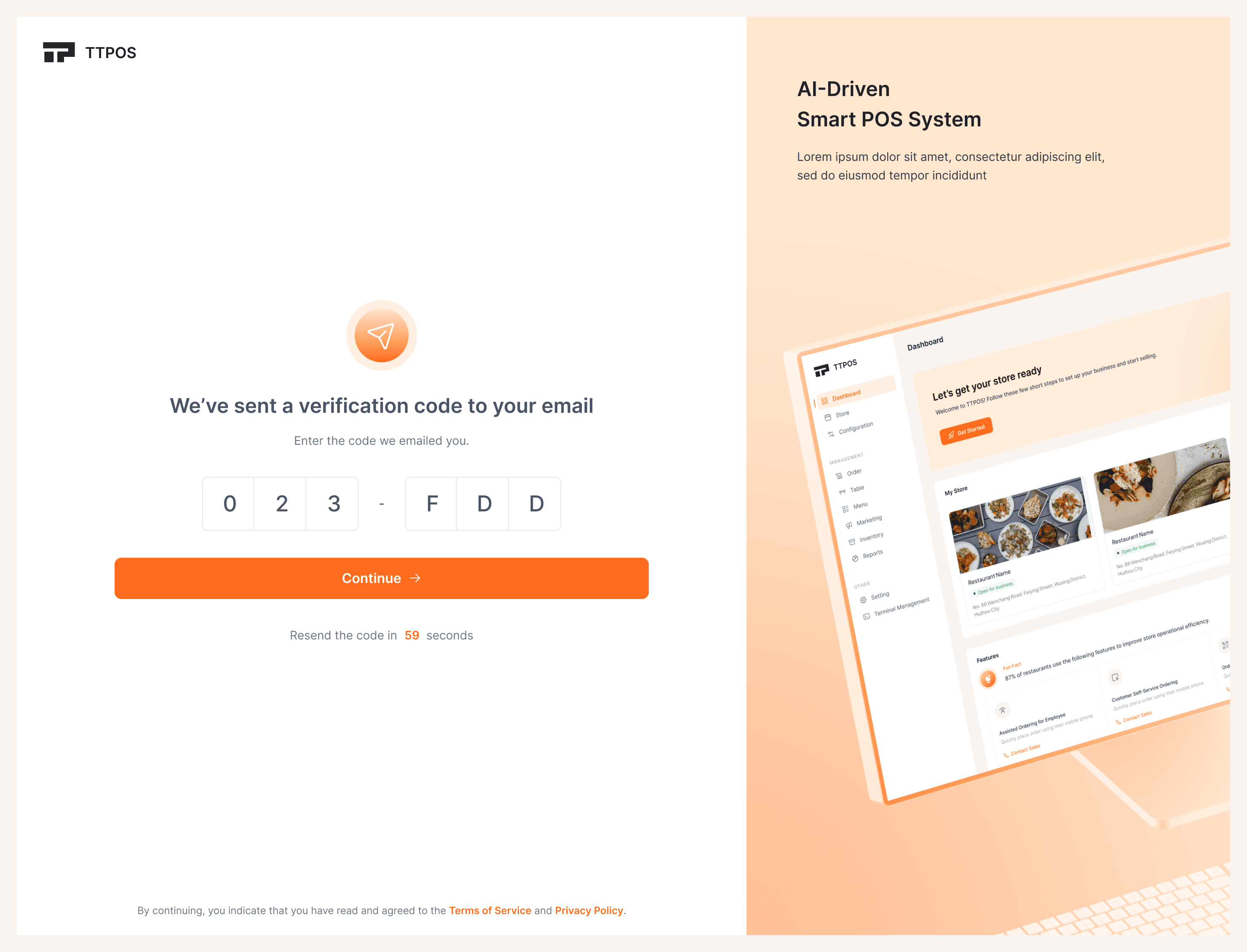
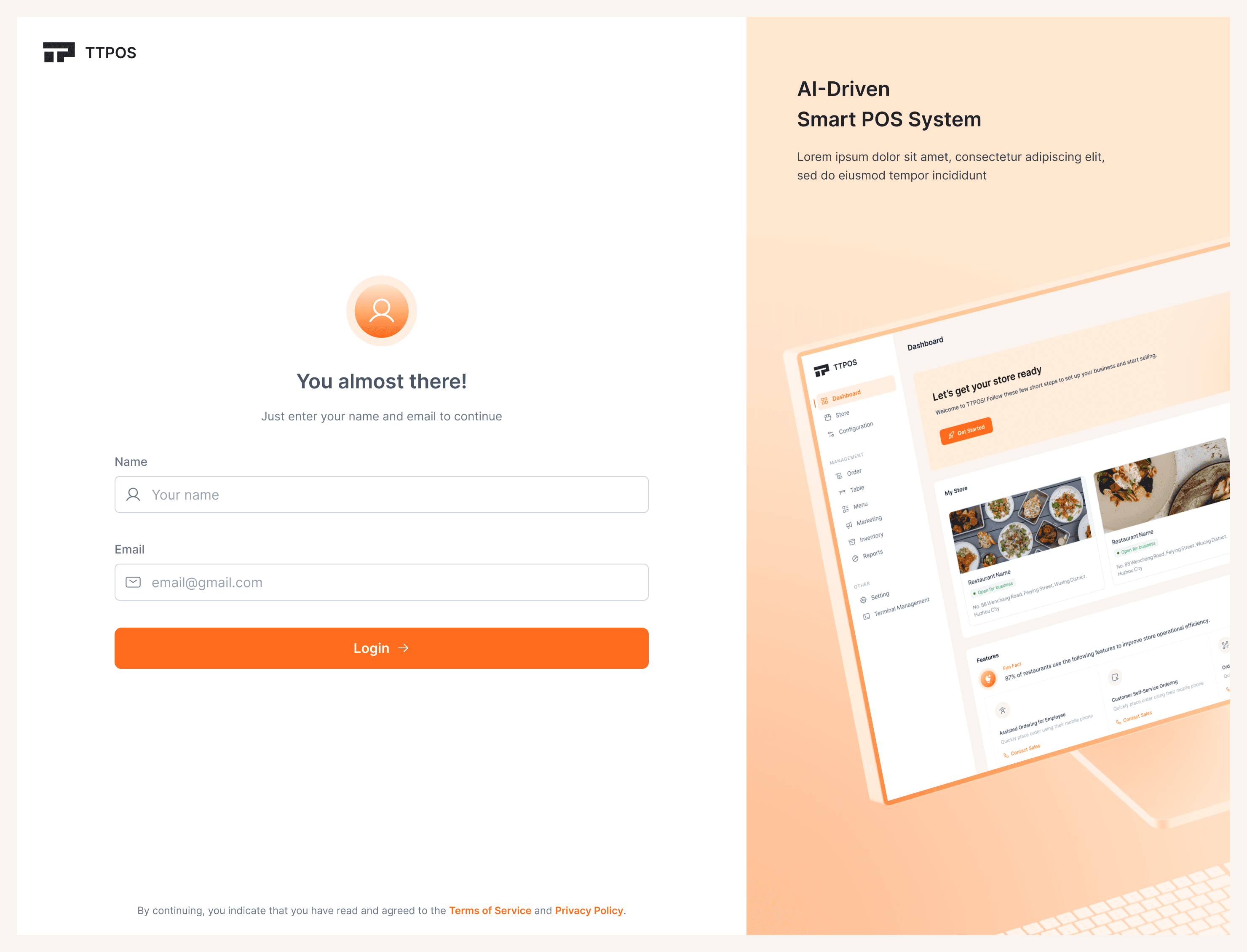
The entry point to the TTPOS ecosystem was designed to be as efficient as the operations it manages, prioritizing a clean, distraction-free interface that ensures merchants access their workspace with zero friction. This streamlined authentication flow is built for high-frequency users who need to jump straight into their workbench, using a sophisticated, high-contrast aesthetic that establishes immediate trust while reflecting the platform’s premium positioning.
The Super Manager Workbench
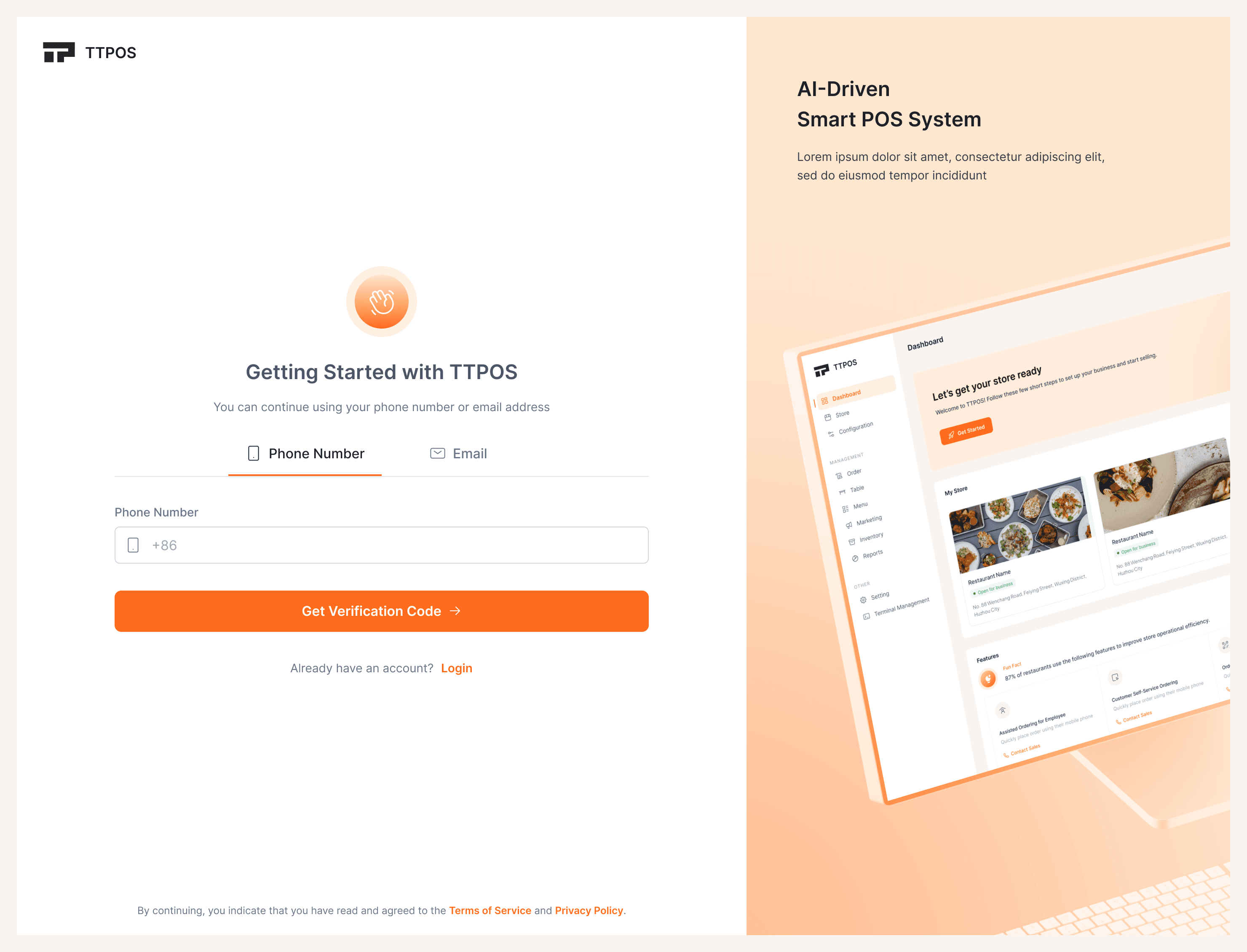
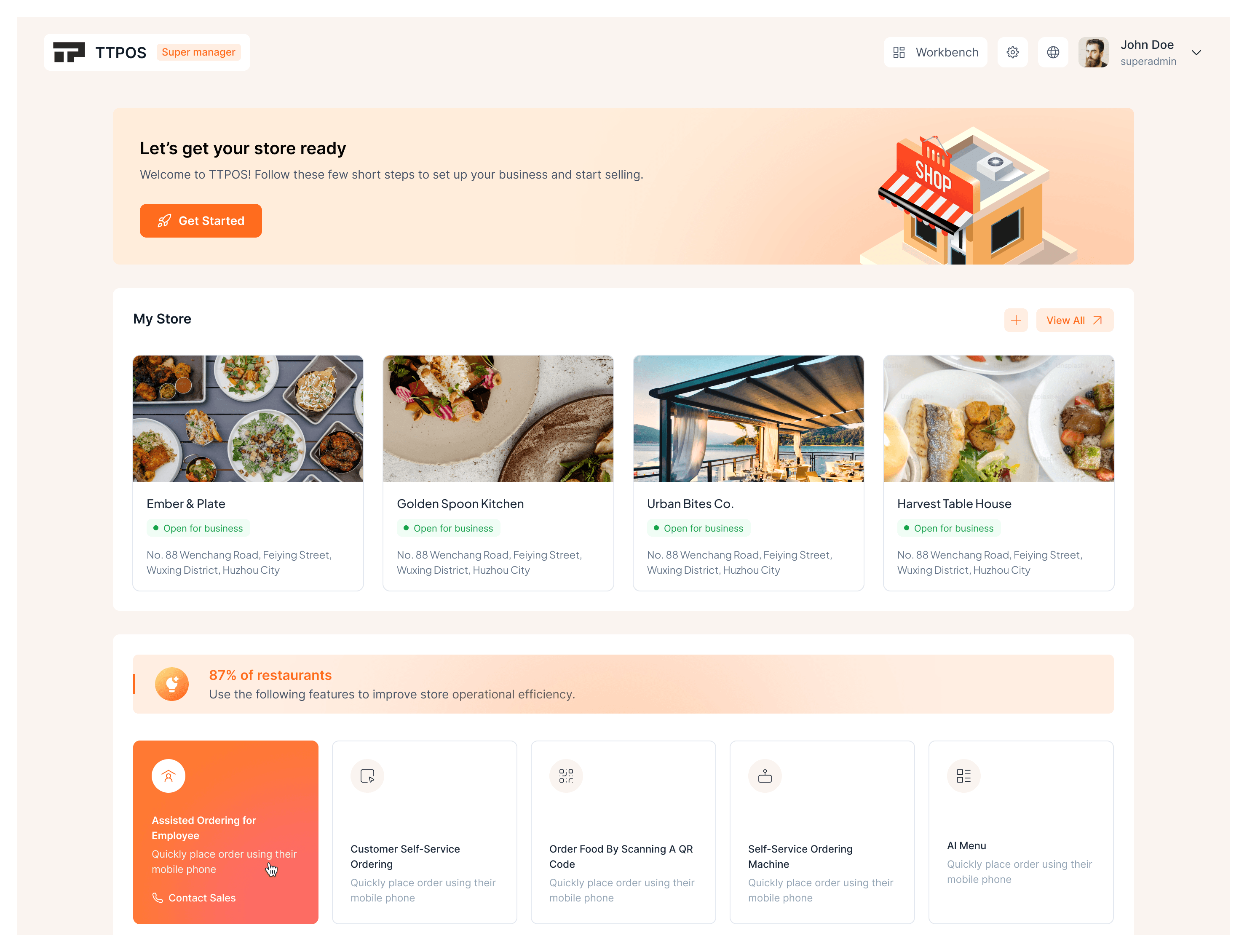
The Workbench acts as the primary hub for multi-unit oversight, providing a clean, organized directory of all restaurant locations within the portfolio. I designed this interface to prioritize high-level navigation, allowing users to manage multiple "Resto" listings with a single click. By utilizing a minimalist grid, I ensured that even as the business scales, the list remains scannable and easy to navigate.
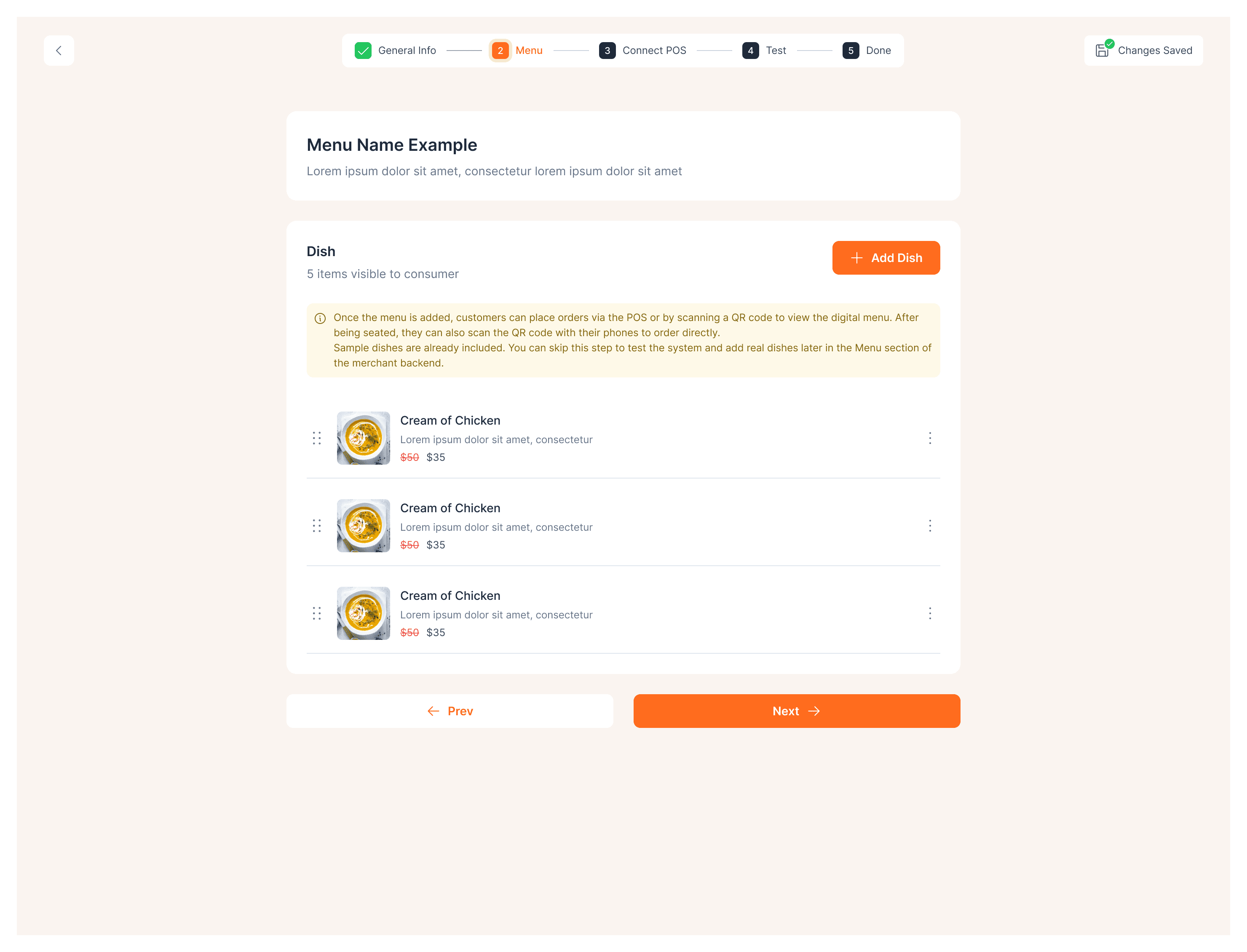
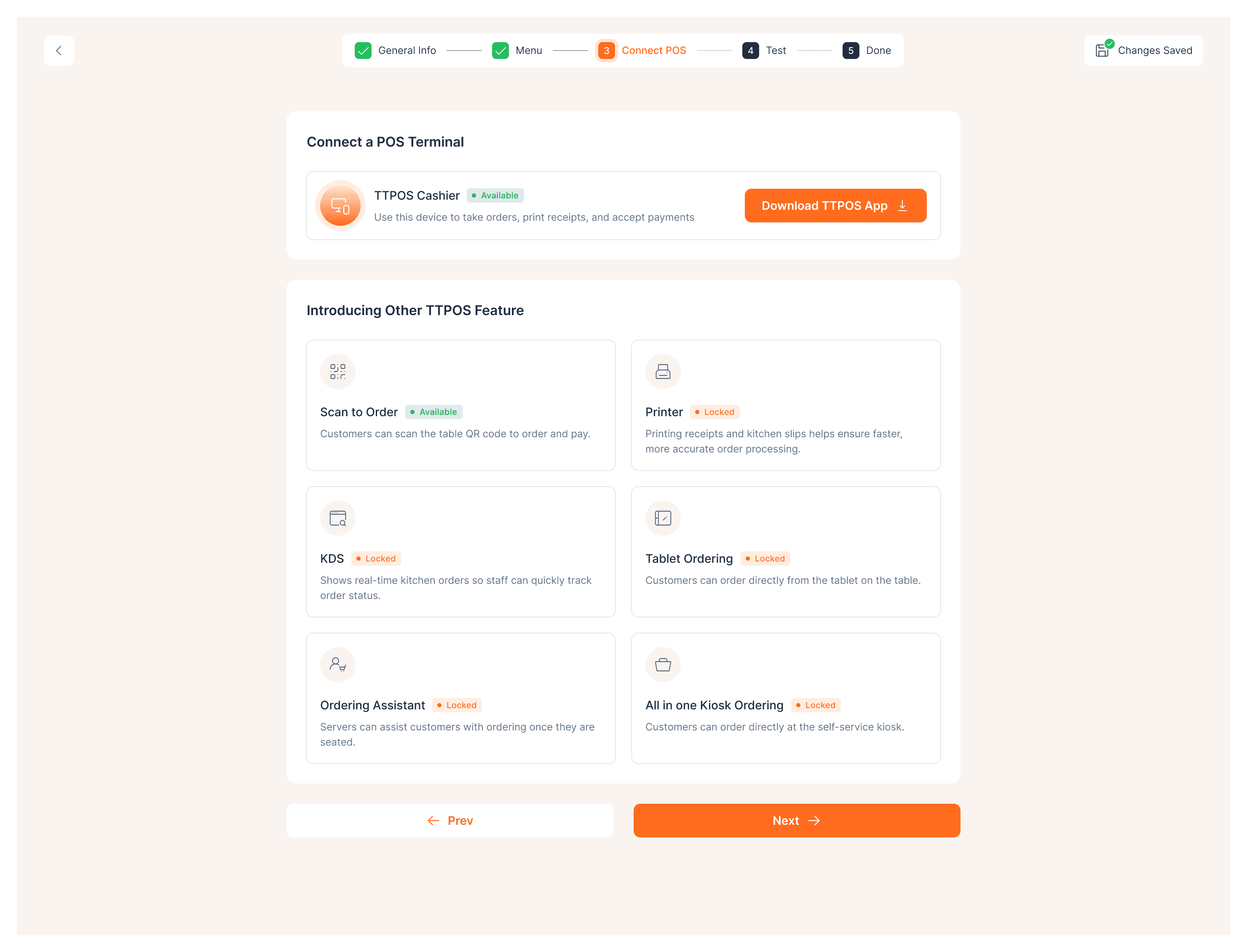
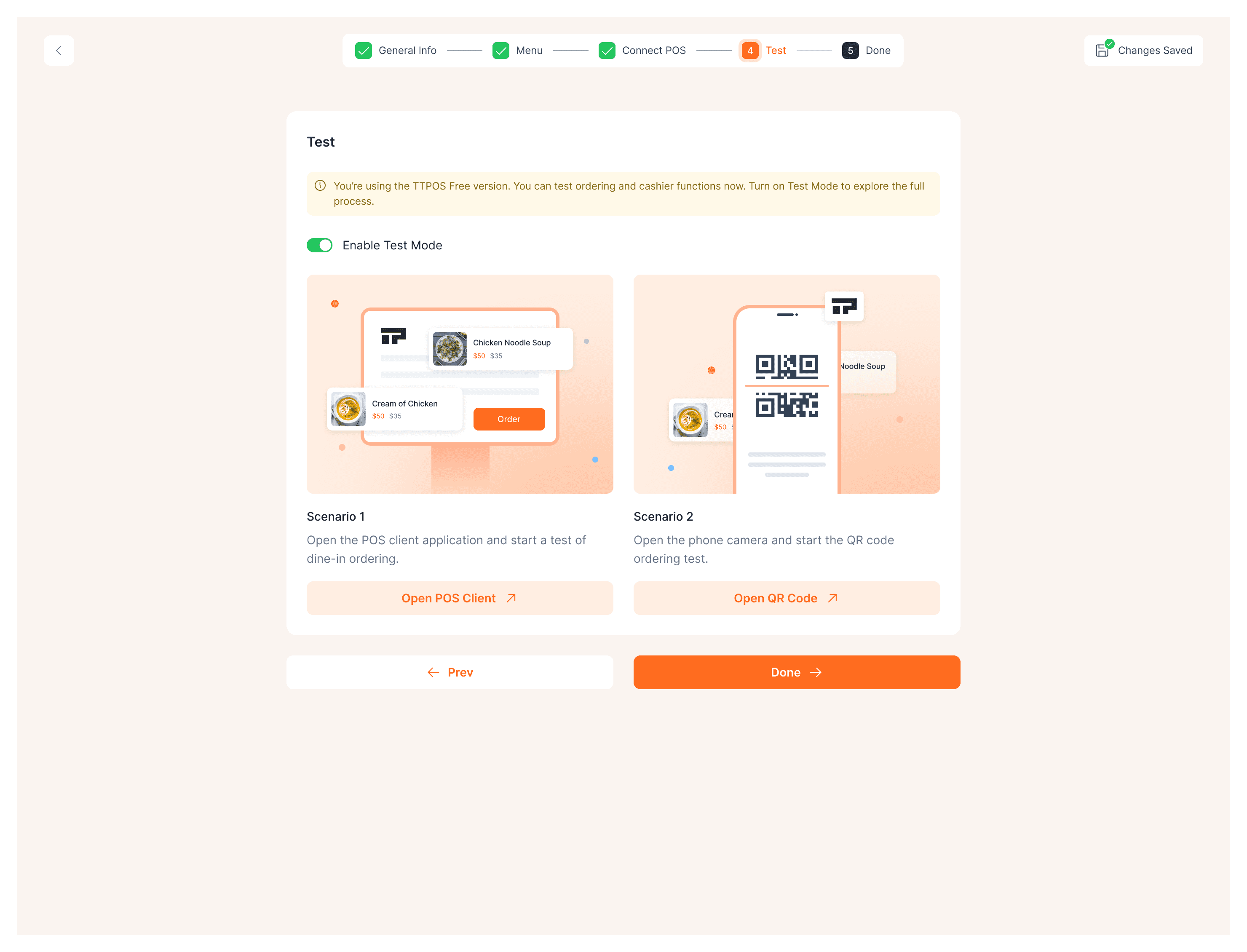
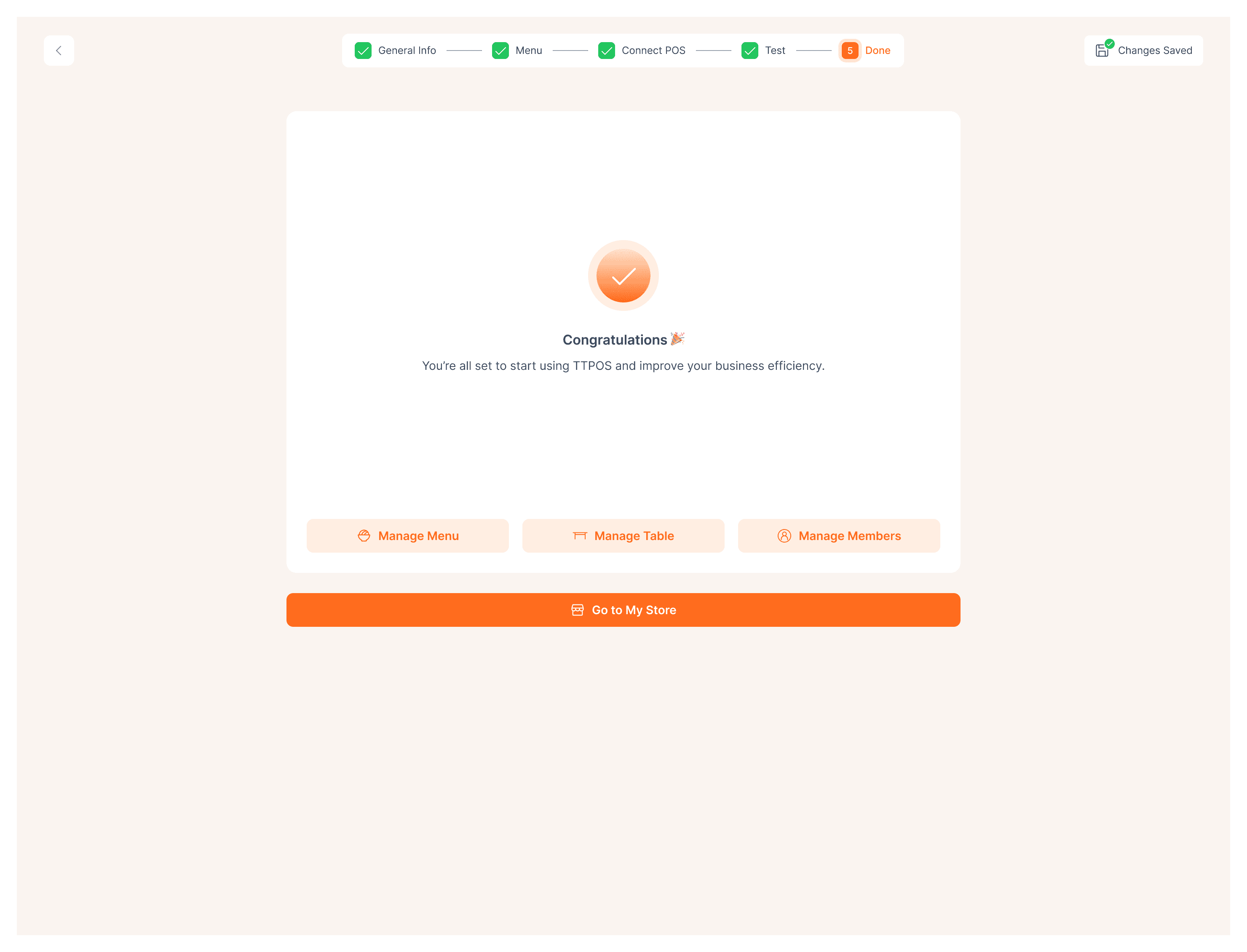
The Step-by-Step Setup Guide
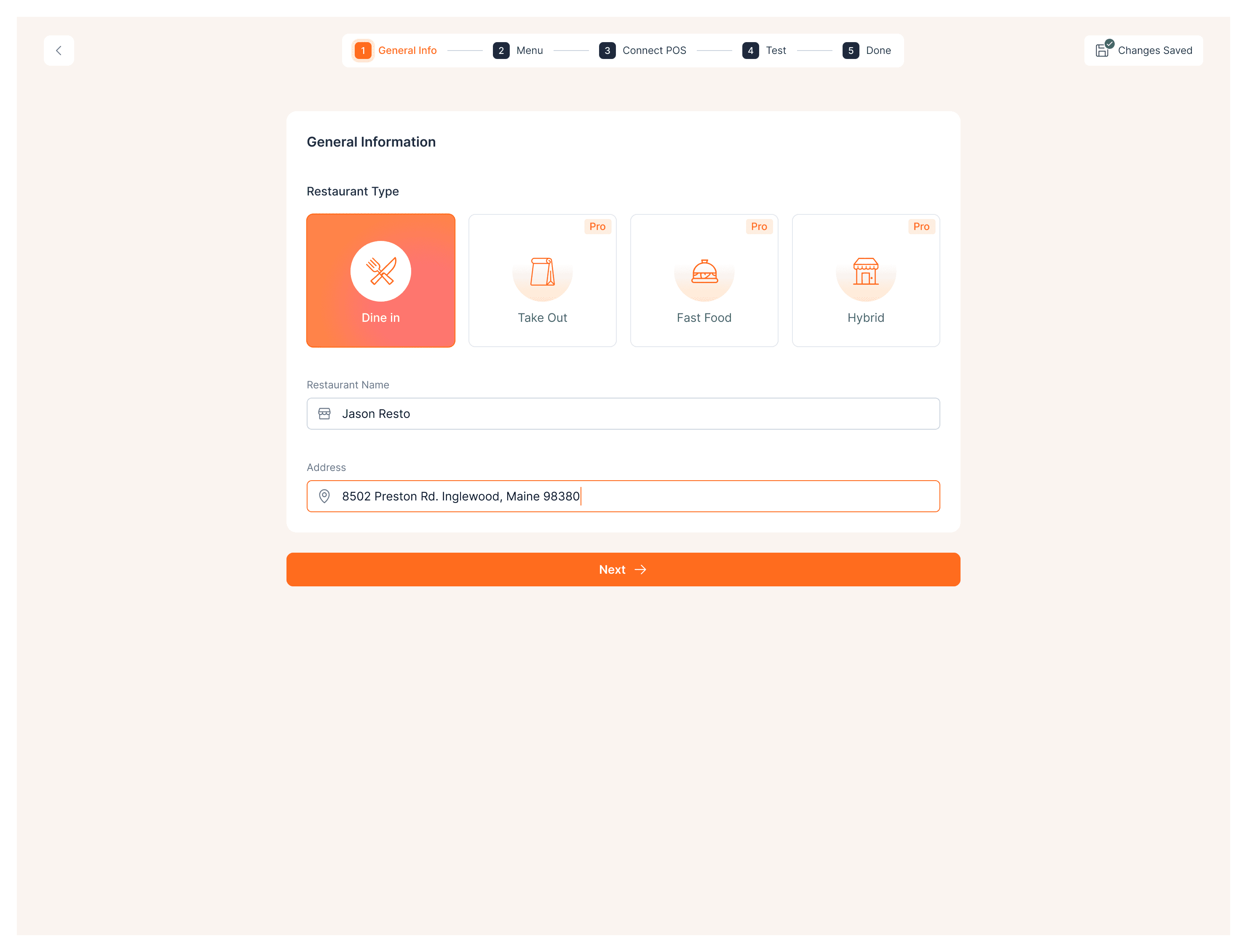
The setup wizard serves as the foundation for new restaurant entities, turning deep system configurations into a series of clear, actionable steps. I focused on a minimalist interface that highlights current progress, allowing managers to finalize restaurant details and system defaults with total confidence and zero administrative clutter.
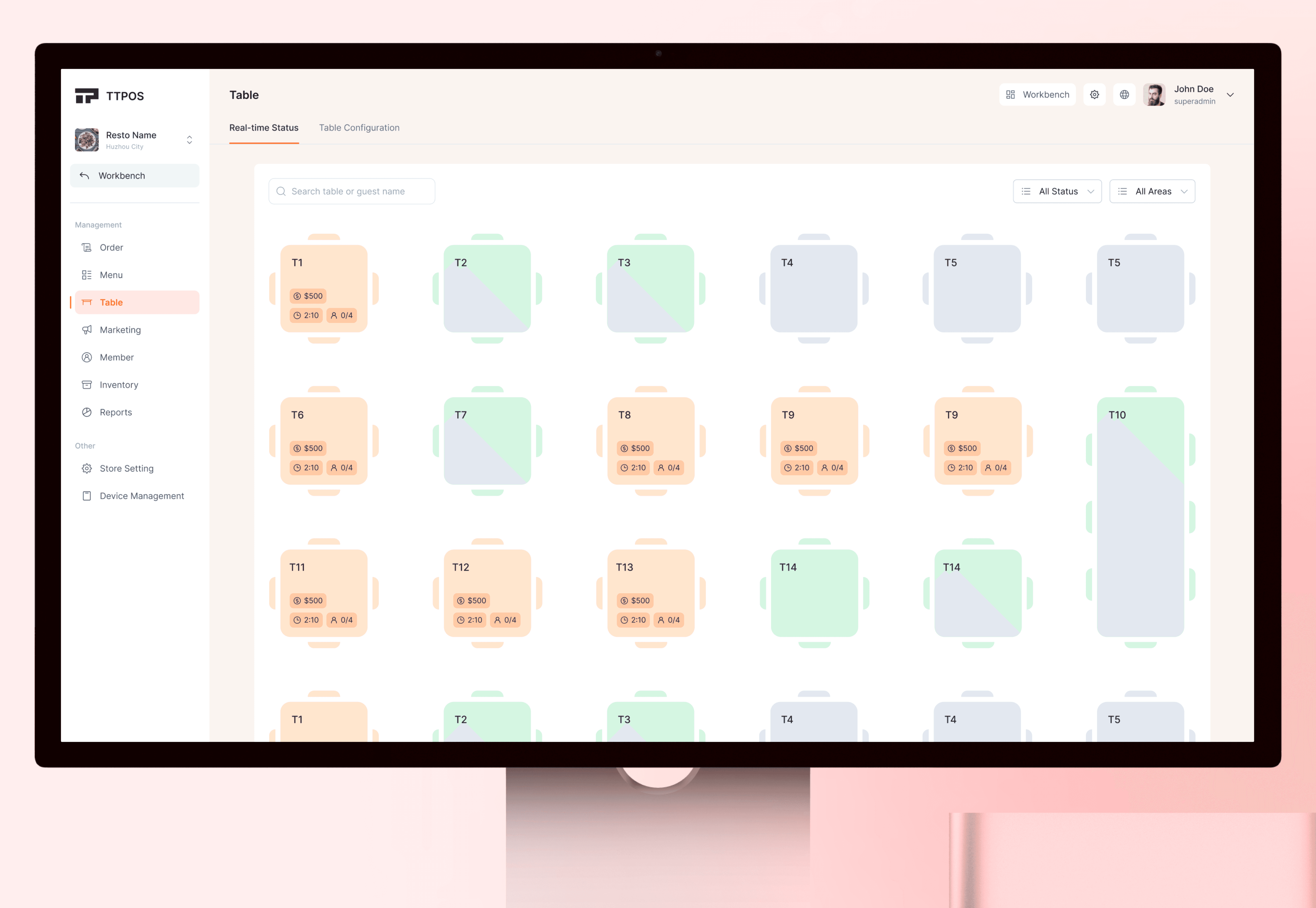
Menu Engineering & Live Table Monitoring
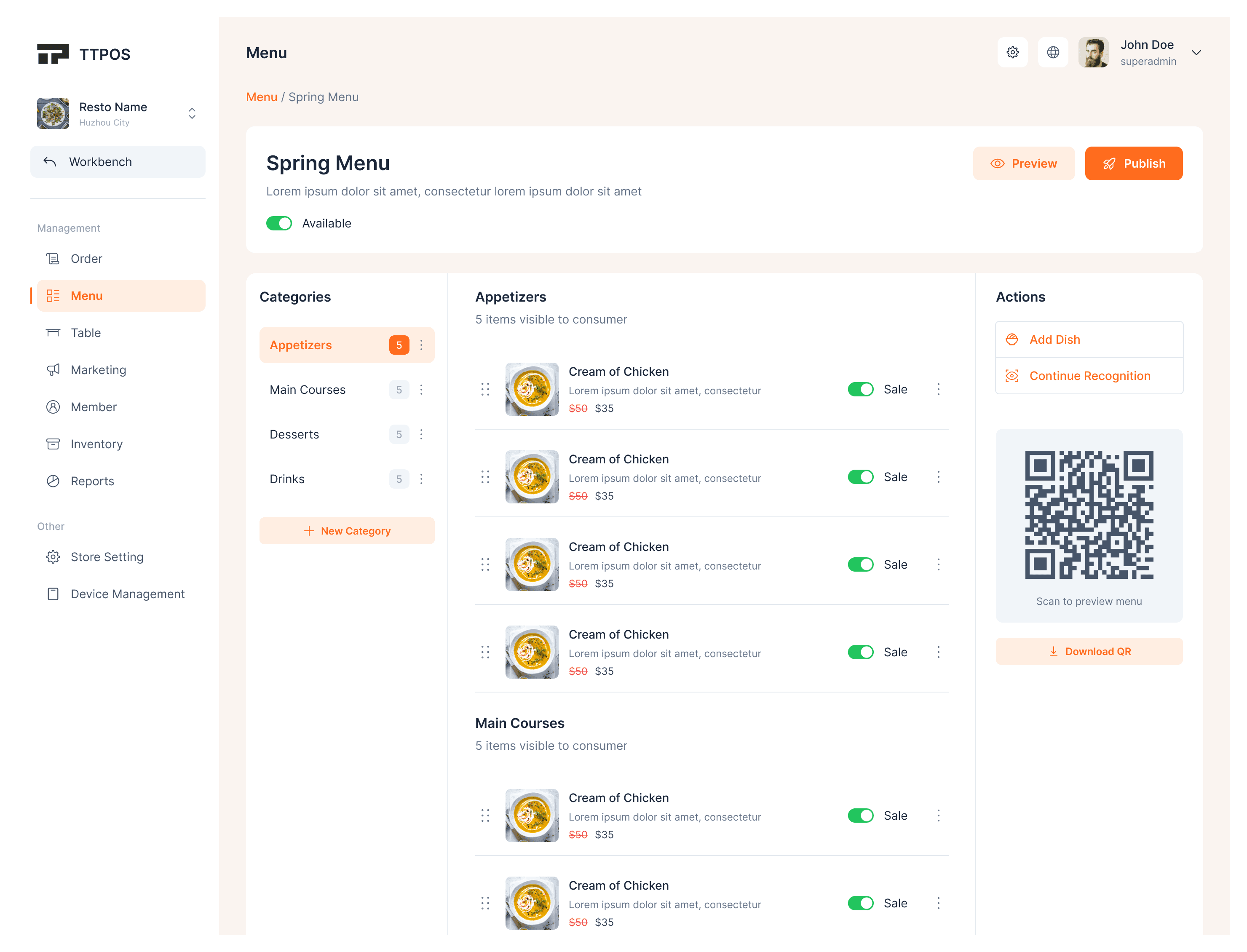
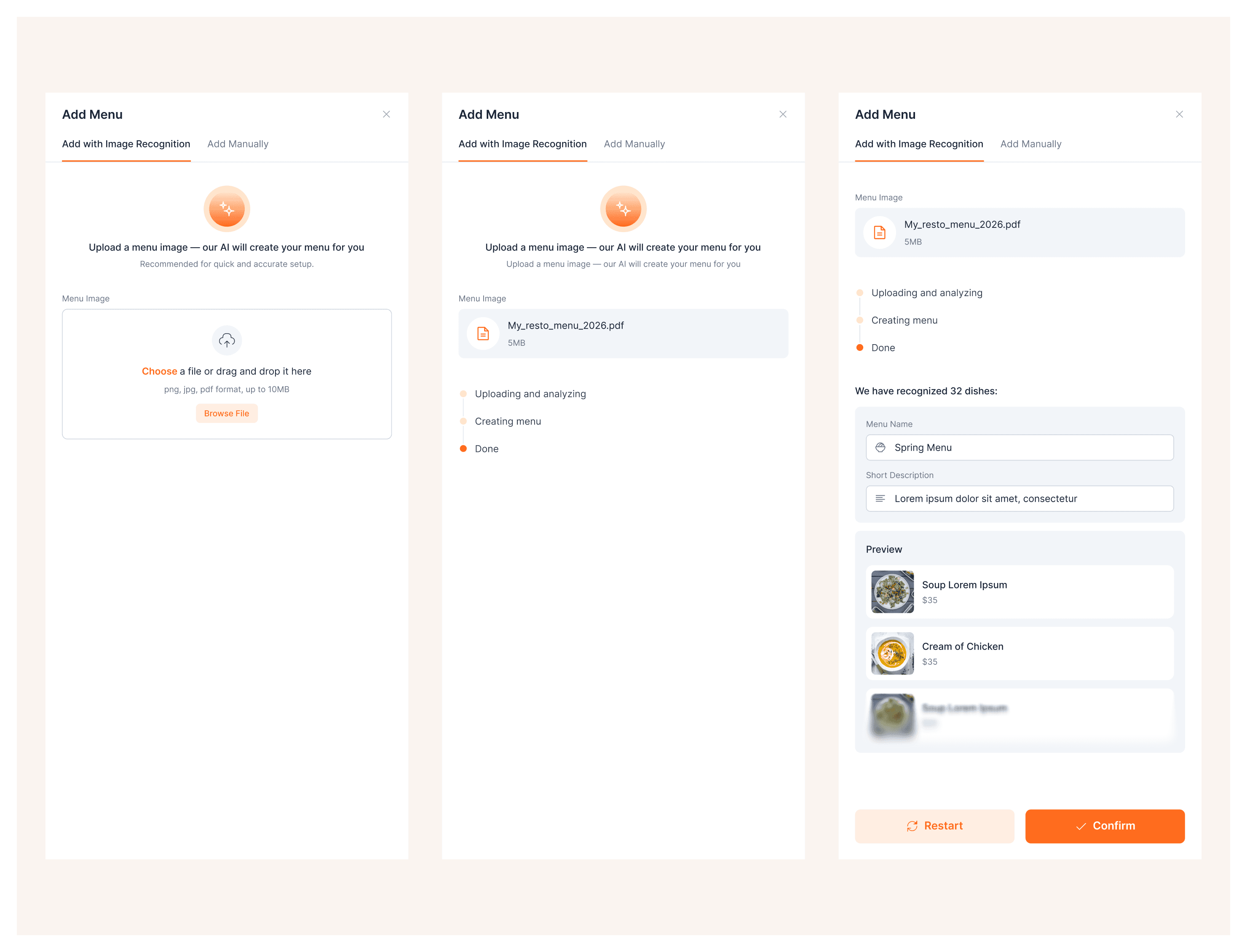
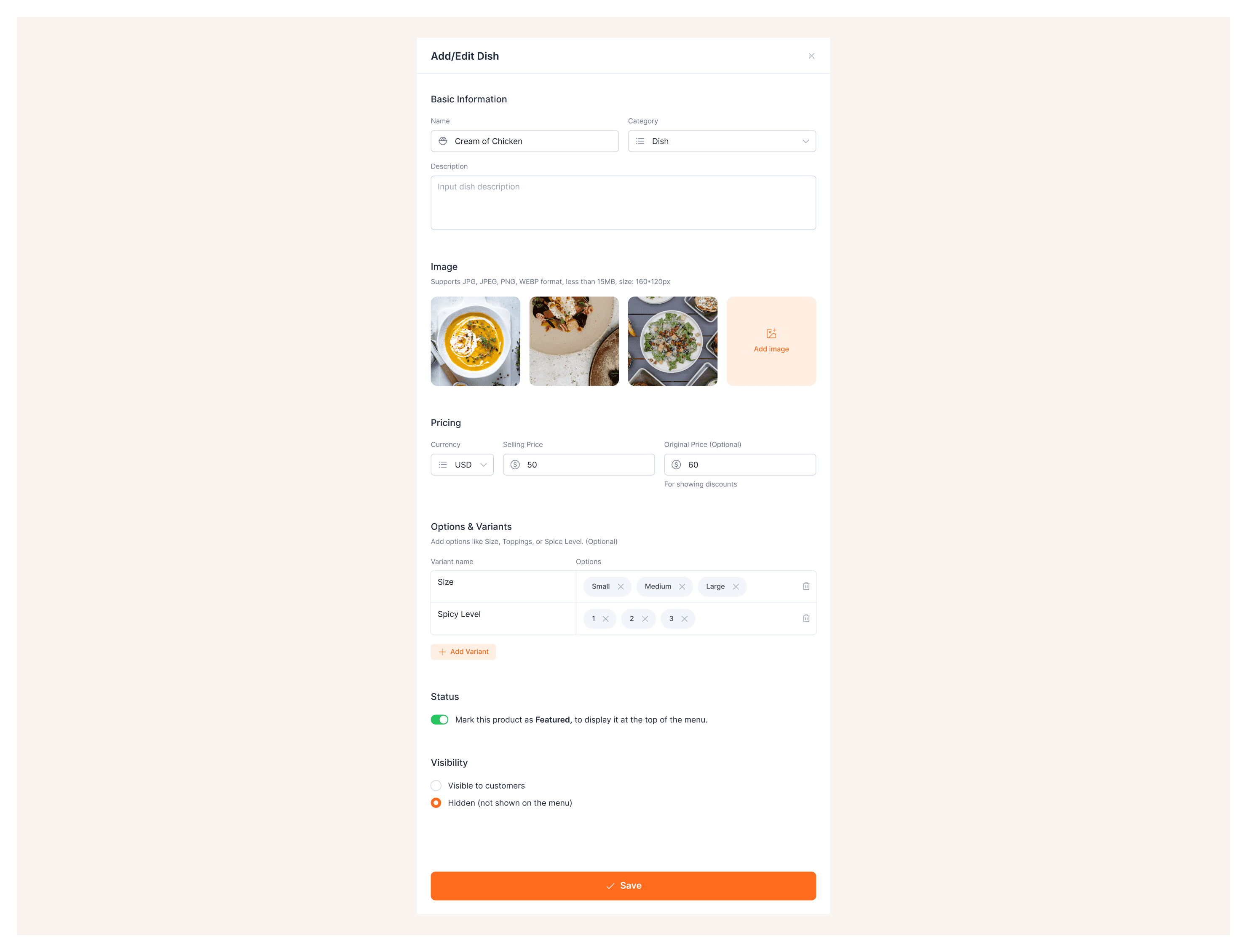
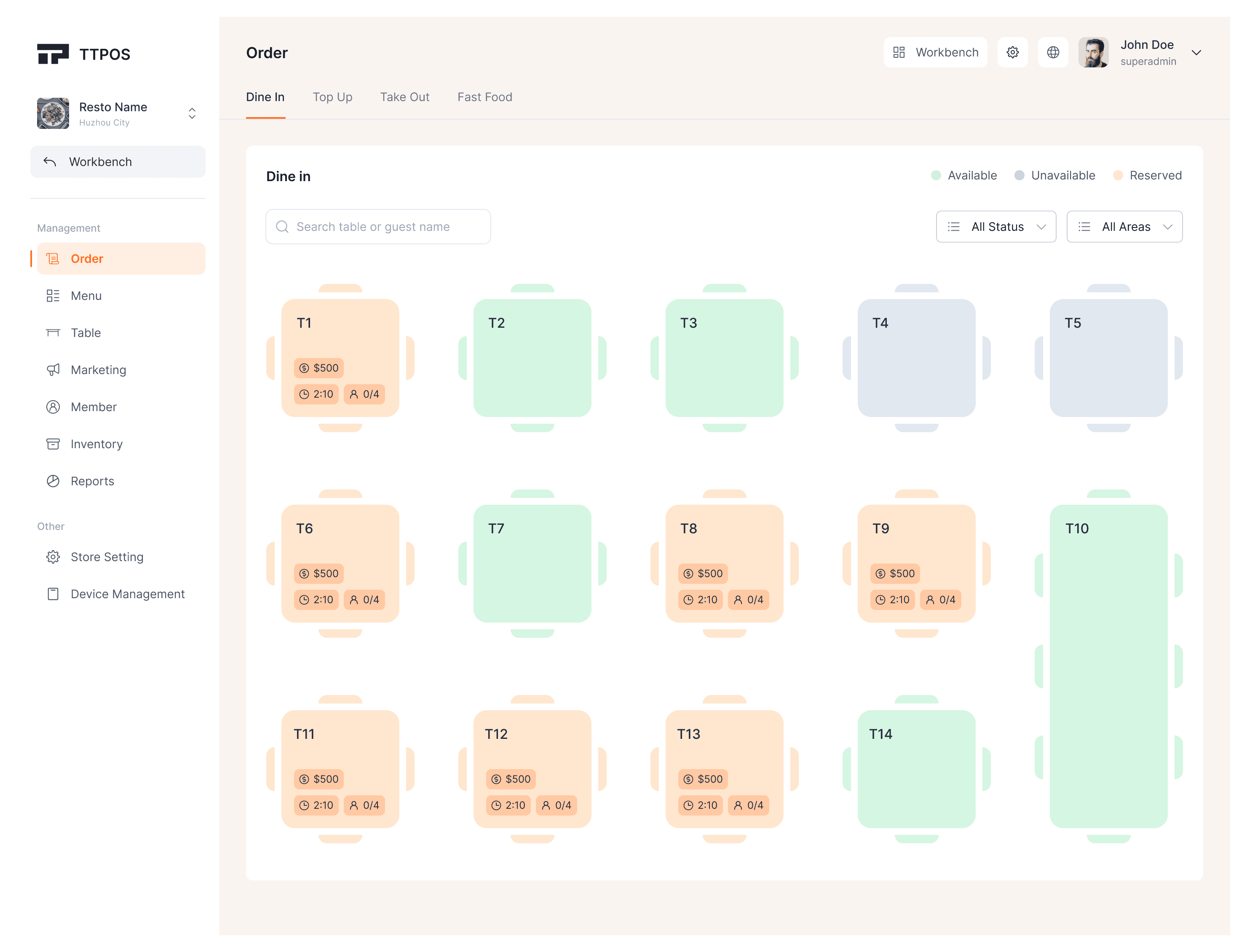
I grouped these modules to showcase the platform's ability to handle both the digital catalog and the physical floor state. The Menu system manages high-density data, allowing for complex modifiers and categories, while the Table module provides a real-time spatial overview of the restaurant’s capacity and status. The Table interface is specifically engineered for high-frequency oversight, displaying whether a unit is Available, Unavailable, or Reserved. By surfacing granular details—such as pricing, time duration, and person capacity—directly within the layout, I ensured that managers can monitor revenue-critical data points at a glance while maintaining a clean, professional aesthetic.
Analytics & Revenue Reporting
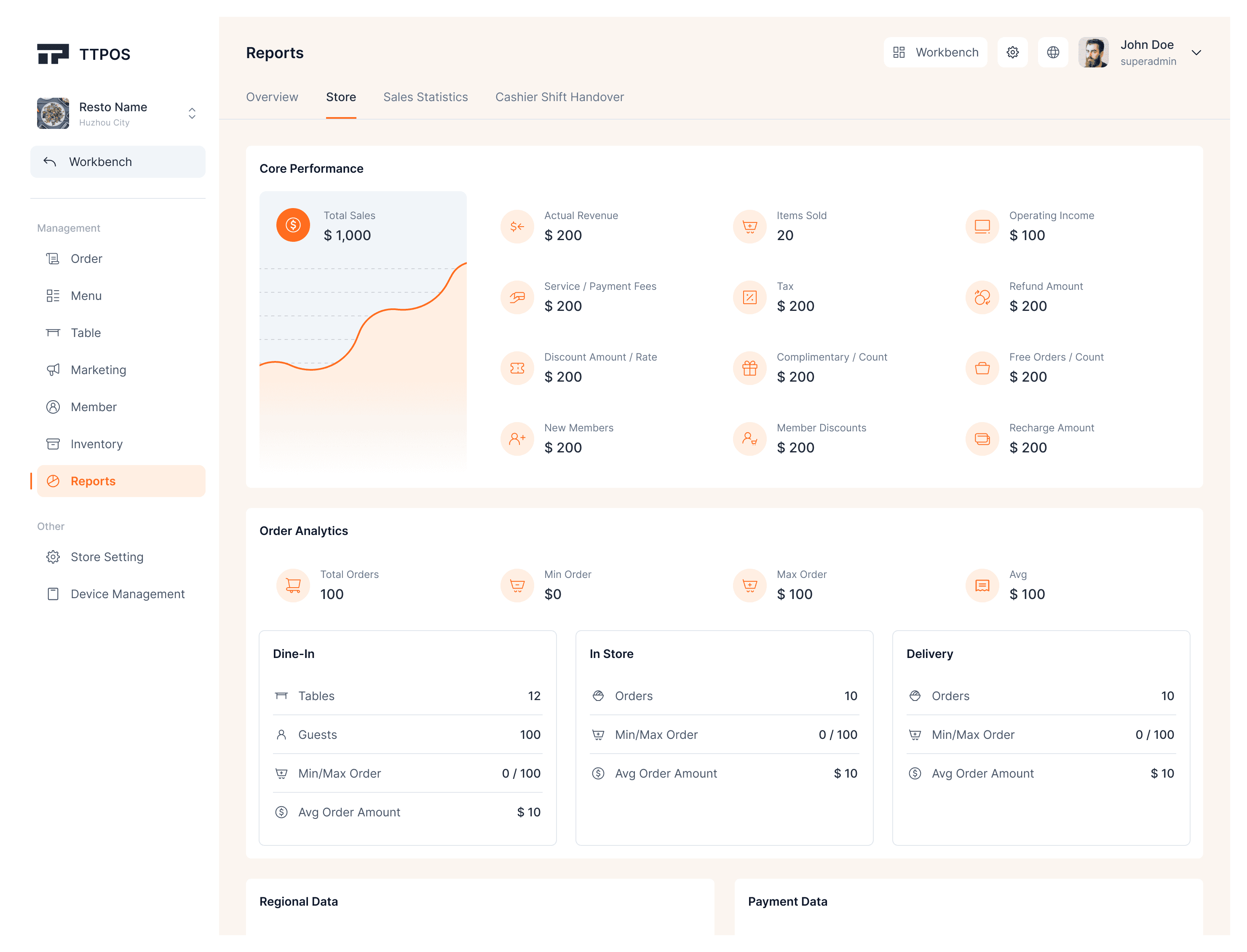
I designed the Analytics dashboard to transform fragmented restaurant data into a cohesive visual narrative for multi-unit stakeholders. The interface utilizes a high-density layout that aggregates total revenue, transaction counts, and growth percentages into a single, scannable view. By prioritizing a clean visual hierarchy, I ensured that "Super Managers" can identify performance trends across their entire portfolio without sifting through raw spreadsheets.

Efficiency at Scale
The resulting system transformed a fragmented operational process into a unified, professional command center.
Reduced Operational Friction: The streamlined workbench layout allows managers to complete core tasks with fewer clicks, directly improving daily speed.
Scalable Infrastructure: The modular design ensures that new modules can be added in the future without disrupting the existing user experience.
Enhanced Data Clarity: By moving away from cluttered spreadsheets to a minimalist UI, restaurant owners can now identify growth trends and inventory gaps in seconds.

Rizqi Hanafi
Product Designer
TTPOS was a masterclass in managing scale. My goal was to prove that a 100-screen B2B system can still feel as light and intuitive as a consumer app. By prioritizing minimalist engineering and a 'zero-friction' layout, I helped build a tool that doesn't just manage a restaurant, it empowers the people running it to focus on growth rather than logistics.
Next
Wexa.ai